
Behind the investment: Thea Chow, Founder & CEO at Redly Games is building an adventure game for forgotten players
Announcements | 12 May 2026 | Supercell Investments
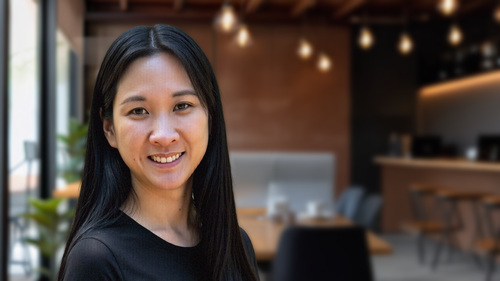
Meet Thea Chow, Founder & CEO at Redly Games. She joined the Supercell Investments community to build something many players have been quietly waiting for.
It all started when Thea noticed that the type of immersive, deep games she loved demanded hours she didn't have, on devices she didn't always have with her. So she set out to build something with the same intentionality of the best console experiences and the ease of mobile devices: Project Oasis.
We’re pulling back the curtain to see how Thea approaches making games at Redly Games.
Mobile adventure game for forgotten players
Ever since mobile games took off in 2012, Thea kept seeing mechanics such as competitive experiences, optimization loops, and quick gratification repeat.
"There's nothing wrong with any of that. But millions grew up playing role-playing and adventure games and are still looking for that experience in some form. They can’t play three hours a night or all weekend, but they still want to sink into an immersive game whenever they can, not just tap through loops or clear notifications. I’m one of those players," says Thea.
Thea is the kind of gamer who wants to feel like she’s in a world with depth, inhabited by characters she cares about. She believes there are a lot of players who love games like these and haven't found enough of them on mobile yet. Oasis is for people who prefer to play at their own pace and find that more energizing than dominating a leaderboard. It’s a mobile-first, 3D adventure game, where you play an alchemist healing a post-apocalyptic world.
She wanted to create a game that actually makes you feel good—twenty minutes in this world, and you come away feeling something positive.
"We believe the best games start from what you want the player to feel. That guiding thought shapes everything we do at Redly. Many mobile games start from a proven, addictive loop and optimize from there. We start by asking why I will be happy playing this and what kind of challenges I want to solve while playing. And then work backwards to design the game mechanics. Oasis is different from what's out there because we're not copying any template. We're building from the player’s experience first," says Thea.

Backed, not steered: how Redly and Supercell work together
Thea spent 13 years building games at studios like Next Level Games, Kabam, and, most recently, Supercell, where she worked as a producer and game lead. When she decided it was time to strike out on her own, she was prepared to go solo. But as conversations with Supercell developed, it became clear there was a natural alignment between what she wanted to build and what we love backing.
Redly became something bigger than a solo project. It became a chance to bring together a group of talented developers, now a team of 6 and growing, and build a passionate player community around what they make.
"Having a partner means I can build the studio and the game faster but I was deliberate about who that partner would be. Supercell operates differently: genuinely hands-off, willing to spar when I need it, and not pushing me toward any set playbook. I have a specific, ambitious vision, and I needed someone who'd give me the space to chase it on my own terms," shares Thea.
Supercell works in small, independent cells, and the same logic shapes how we partner with founders. As our Investment Director, Jari Aalto, puts it: "We are always on the lookout for teams building category-defining games and game tech. We saw that Thea was rethinking what a mobile game can feel like and wanted to give her full independence to build the way she and the team believe is right. Our job is to be there when she needs us."
Should a founder follow their vision or player data?
Although Oasis is still in the early stages of development, Thea and her team have big dreams and big plans. They will soon invite players to be a part of this journey.
"Player data and feedback are absolutely essential. We are building Oasis for our players, not just for ourselves. The question isn't whether we are paying attention; of course we are. It's when and how we act on it. I've been on teams where listening to data dramatically improved the product, and on teams where no amount of optimization could fix a weak underlying vision. Conversely, projects driven purely by vision can either soar or fail. It's not about choosing one approach over the other, it's knowing which one your situation calls for," says Thea.
Where Thea's landed is that a strong vision has to come first. “When you're starting from a blank canvas, someone has to put something down. If you wait for data to tell you what to build, you'll never build anything with a soul. The vision gives you a direction, as in what this game is, how it should feel, and who it’s for. Without that, things drift," she explains.
For Oasis, a strong vision matters even more because there's no direct template to lean on. The Redly team has been deliberate about pushing their vision further before testing. This means that the combination of mechanics and themes the team has put together requires more context before the player feedback becomes meaningful. After all, Oasis is not a traditional role-playing, hero collection, or shooter game.
"Someone at Supercell once told me to never outsource my thinking. That stayed in my head all year, and I try to live by that. No one else has the full picture of what we're building, and the decisions have to start from there," says Thea.

Fellow founders, never underestimate what you bring to the table
As Thea puts it, her background is in production and leadership, not decades of hands-on development. When she decided to start a studio, there was a voice in her head asking if she could actually do this. It’s a familiar question for founders walking a similar path, and Thea has clear advice on that.
"Never underestimate what your background gives you. The skills you’ve built as a producer or a game lead, such as dealing with complexity, adapting to change, or thinking about the big picture while tracking a hundred details, are exactly what you need to build a startup. You've been doing versions of these your entire career,” says Thea.
Thea also urges founders to embrace the uncomfortable. The biggest trap for someone with a strong games background is trying to recreate the conditions they’re used to. In a startup, you need to do, not just plan.
“When I started Redly, I deliberately spent the first few months learning as fast as possible and building prototypes in Unreal on my own. It was ugly, but it worked. And it gave me confidence that no one else could have. I saw I could create something with my own hands, what was possible with currently available technology, and which gaps needed to be filled,” shares Thea.
So her advice is twofold. Your skills are a unique strength; don't sell them short. Also, jump into the discomfort. Learn to build. Move without complete information.
“When you combine your experience with the willingness to do things you've never done, you will become a founder capable of navigating all the complexity to ship a successful game. There is nothing like the learning and growth that you will get from building your own game, whether you’re starting solo or by working with others. Whatever the outcome, you'll come out of it better for having tried. So if you want to try, just go for it,” Thea concludes.
This is your early heads-up. Thea is building something great, and we wanted you to hear about it from us first. You can keep up with us and the community on LinkedIn. If you’re building something exceptional in games or game tech that we should hear about, drop us a line via our Contact Form
---
